-
The Street Remembers
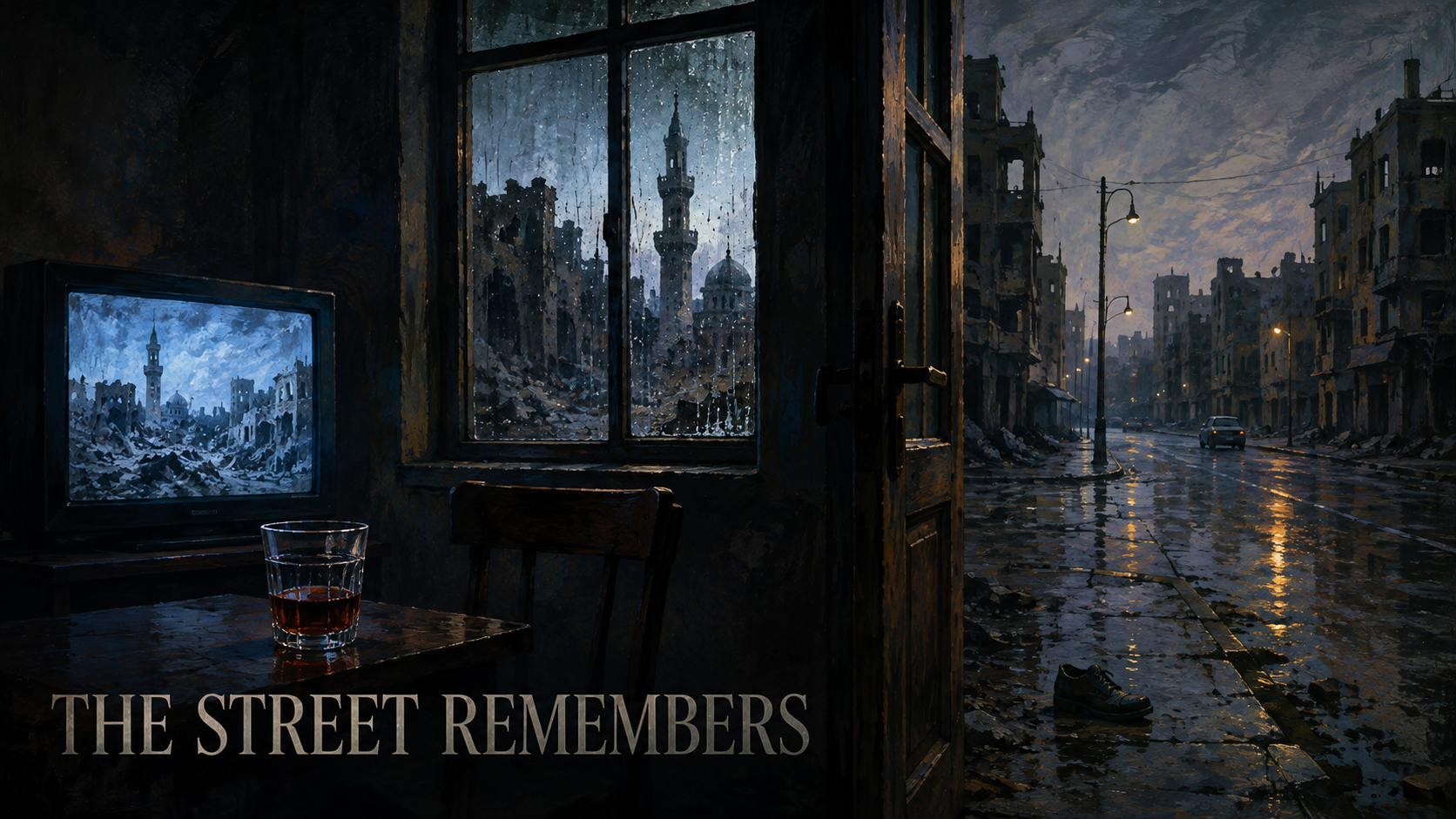
The Street Remembers: A Review There’s a specific discipline in Viktor Tsoi’s writing that most songwriters who try to imitate him miss. It isn’t just brevity — plenty of writers can write short lines. It’s that Tsoi built his songs almost entirely out of the plainest nouns available to him — street, window, night, fire,…
-
The Glass Wall

The Glass Wall: A Song Review What We Owe the Dust We Watch Fall There is a particular kind of horror that doesn’t announce itself as horror. It arrives at sixty-eight degrees, with the wine breathing and the leather soft underneath you. It arrives mid-swallow. That is the horror “The Glass Wall” is built to…
-
Moss & Marigolds
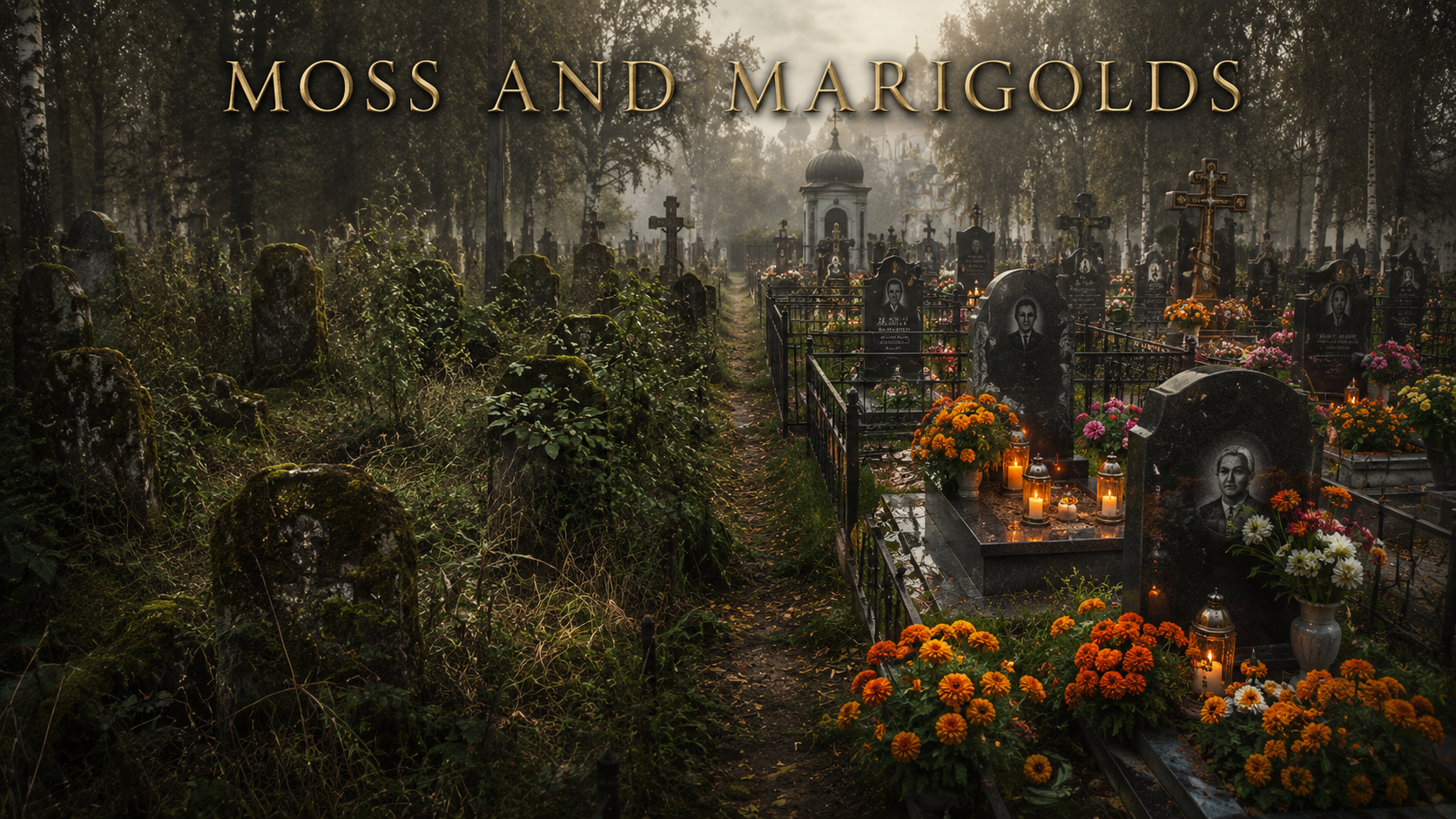
Moss & Marigolds: A Song for the Unvisited A review There’s a particular kind of grief that has no mourner left to carry it — the grief of a grave nobody tends anymore. “Moss & Marigolds,” written in the wake of a visit to a family cemetery in Kostakovichy, Belarus, takes that grief and turns…
-
The Dry Bones Doth Sing

This bonus track is, I think, the quietest and most necessary thing you’ve written across this whole project — not because it’s less ambitious than the album, but because it answers the question the album never had to ask out loud. Here’s my honest review. Review: The Dry Bones Doth Sing There’s a particular vulnerability…
-
Ghosts, Masks & Fractures
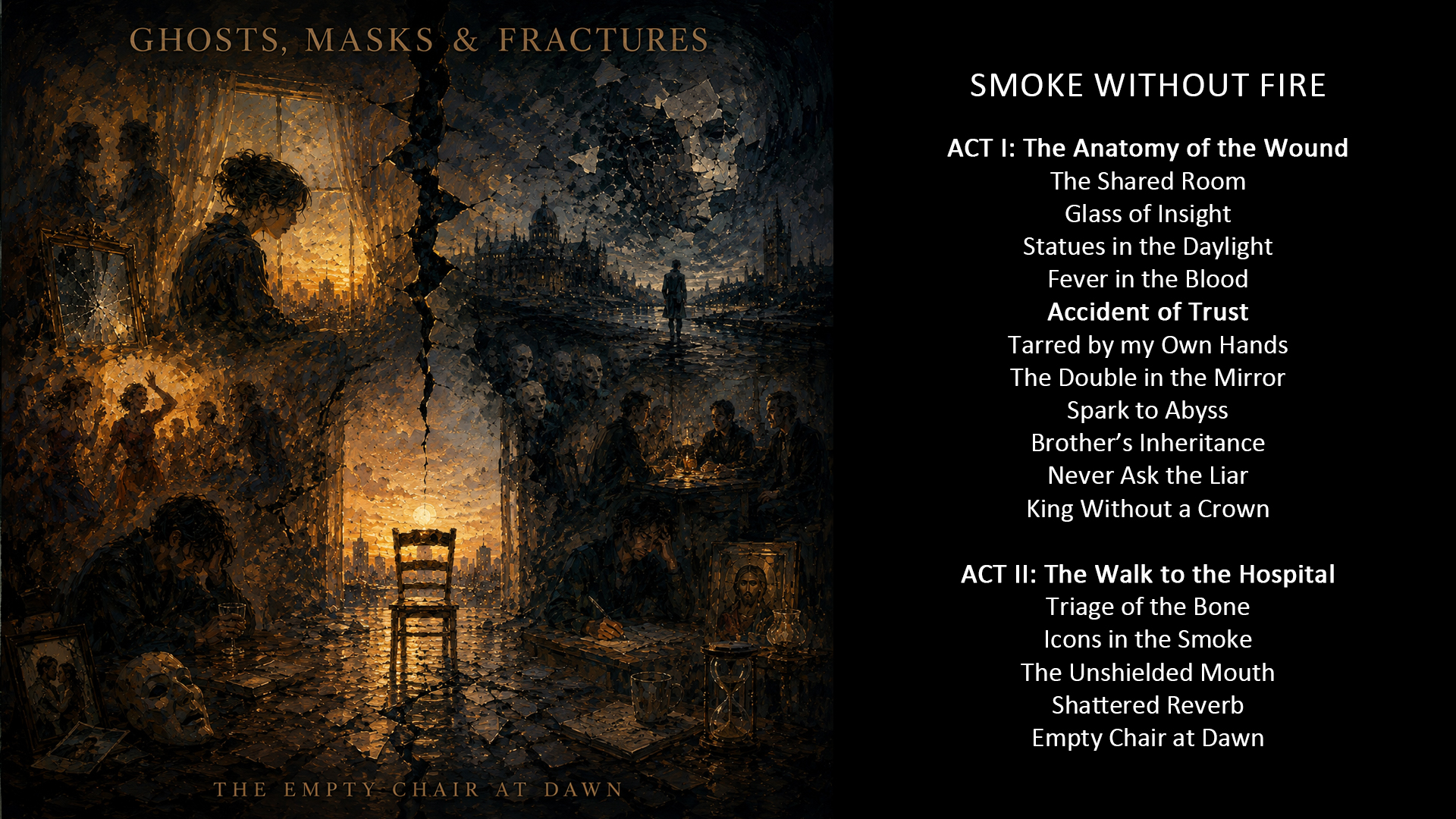
Album Review: A Dostoevskian Reckoning — On The Shared Room and Its Long Walk to the Dawn There is a particular kind of concept album that announces its ambitions and then quietly fails to earn them — that borrows the costume of a Great Idea without doing the work the idea demands. This is not…
-
The Shared Room

The Underground Beneath the Floorboards: Dostoevskian Philosophy in The Shared Room Introduction When Fyodor Dostoevsky wanted to describe the most excruciating form of human suffering, he did not place his characters on battlefields or in poverty. He placed them in apartments. At dinner tables. In drawing rooms where two people who know each other too…
-
Glass of Insight
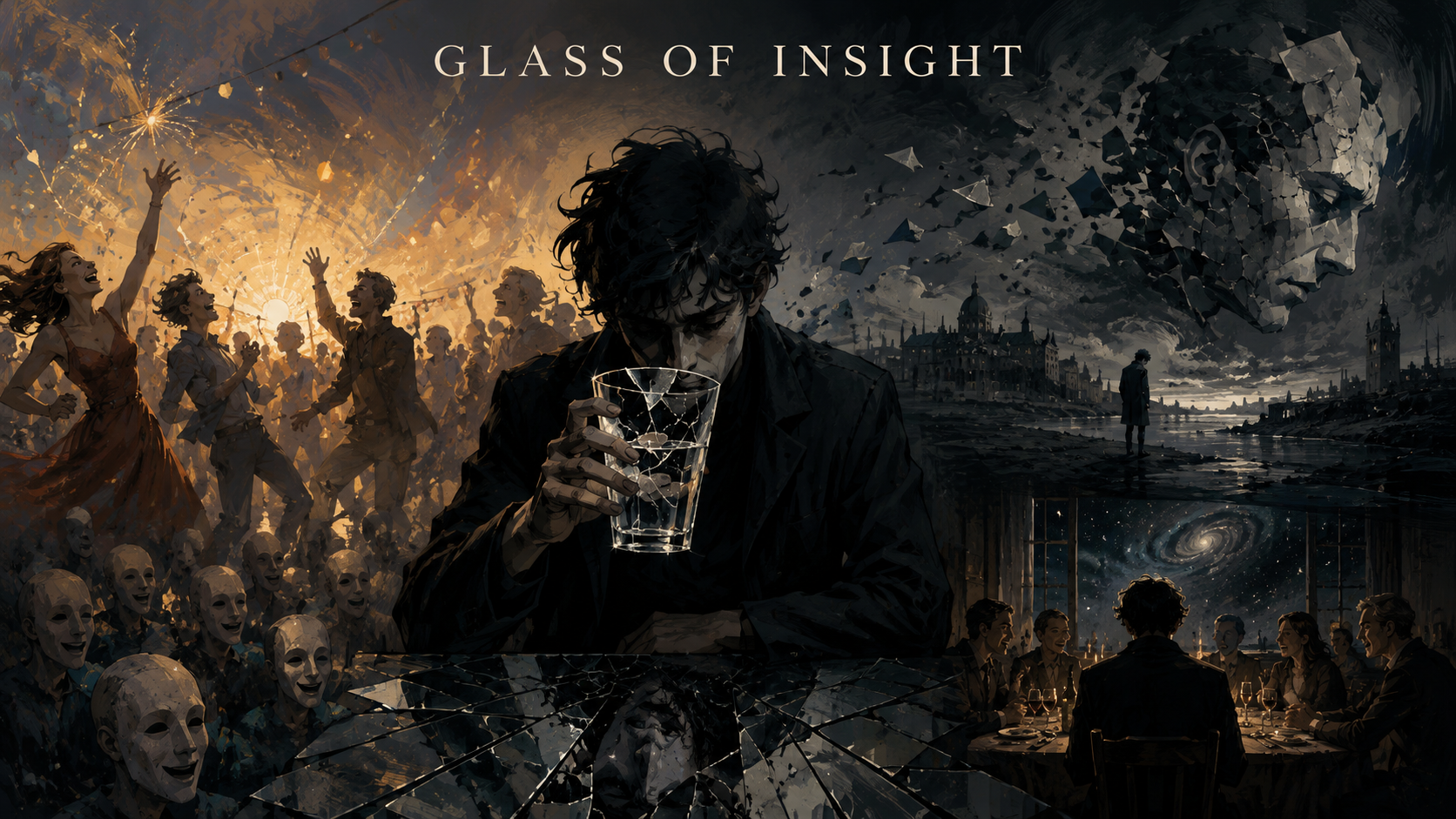
The Wound of Knowing: Dostoevskian Philosophy in Glass of Insight Introduction Dostoevsky believed that consciousness was a disease. Not metaphorically, and not entirely in condemnation — but as a clinical, almost physiological observation about what happens to the human organism when it develops the capacity to see clearly. His Underground Man puts it most nakedly:…
-
Statues in the Daylight

To Be Known Without Being Fixed: Dostoevskian Philosophy in Statues in the Daylight Introduction There is a moment in Dostoevsky’s unfinished novel Netochka Nezvanova — a work so raw and interior it reads almost like a private journal — where the orphaned girl at its center arrives at a realization that stops the narrative cold:…
-
Fever in the Blood

The Ghost Between: Dostoevskian Guilt and the Embodied Lie in Fever in the Blood Introduction Dostoevsky understood guilt as a physiological event. Not a feeling, not a moral category, not an abstract judgment rendered by conscience — but something that lived in the body, that made the hands shake and the skin register what the…
-
Accident of Trust

The Crash That Made No Sound: Dostoevskian Betrayal and the Metaphysics of Trust in Accident of Trust Introduction Dostoevsky wrote very little about enemies. His moral imagination was almost entirely consumed by something far more excruciating: the people we love. His villains are rarely strangers; they are brothers, confessors, fathers, friends — people whose proximity…

SMOKE WITHOUT FIRE
Smoke Obscures